
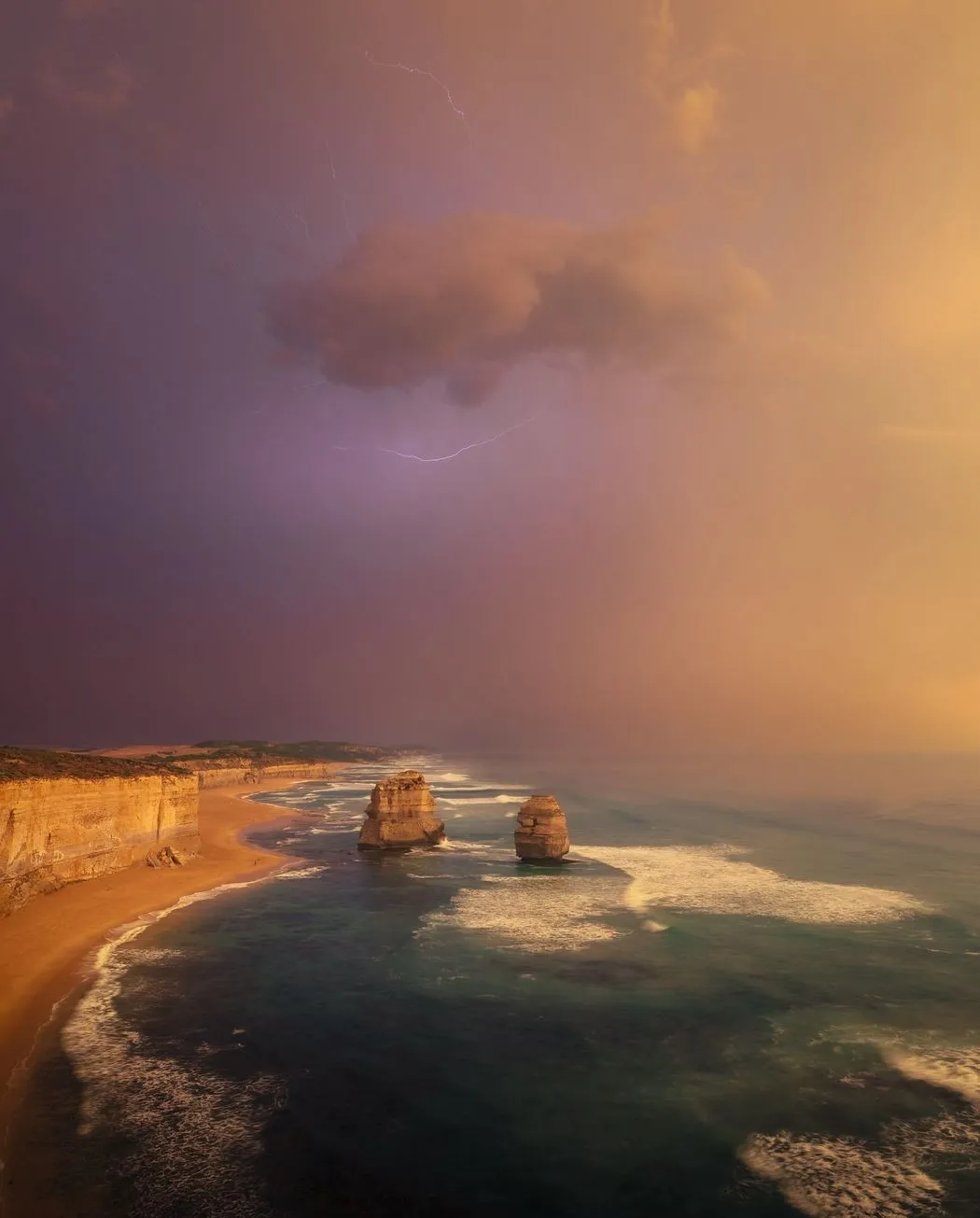
The Great Ocean Road is one of the most beautiful coastal drives in the world. With its stunning landscapes, towering limestone formations and rich history, millions visit every year. But is the Great Ocean Road a UNESCO World Heritage Site? The short answer is no – at least not yet.
Contents
- 1 Why UNESCO didn’t Recognise the Ocean Road
- 2 Cultural and Natural Significance
- 3 Natural and Cultural Significance
- 4 Exceptional Experiences
- 5 Could it Become a UNESCO Site?
- 6 Conclusion
- 7 FAQ
- 7.1 Is the Great Ocean Road protected even though it’s not a UNESCO site?
- 7.2 What are the benefits of UNESCO World Heritage status?
- 7.3 What other UNESCO sites are in Australia?
- 7.4 How long is the Great Ocean Road and how long should I spend on it?
- 7.5 What are the must-see spots along the Great Ocean Road?
Why UNESCO didn’t Recognise the Ocean Road
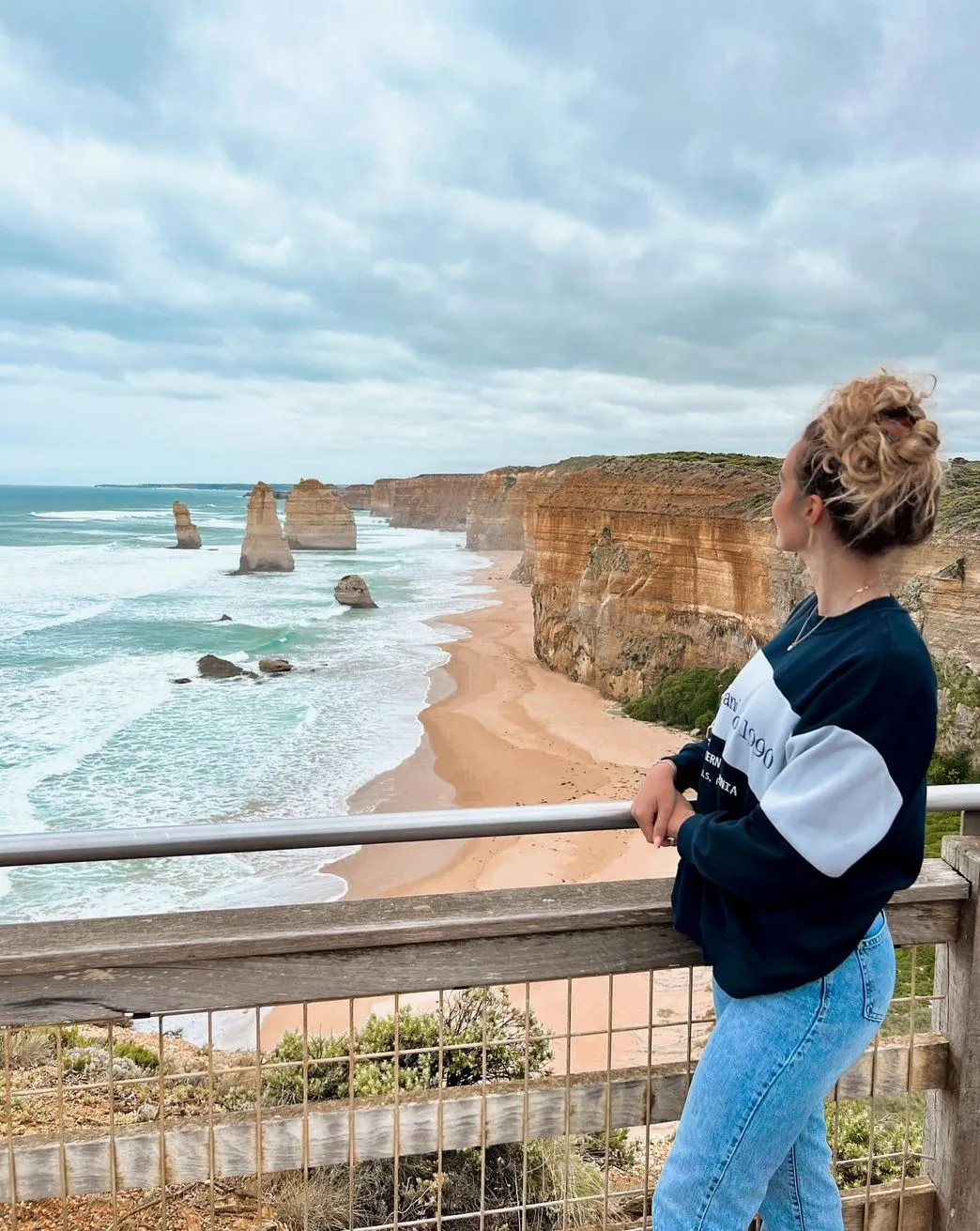
Despite its natural beauty and cultural significance, the Great Ocean Road hasn’t been officially declared a UNESCO World Heritage Site. This is mainly due to the nomination process which requires a location to meet strict criteria and be put forward by the Australian government.
To be eligible for UNESCO status, a site must demonstrate outstanding universal value and meet at least one of the ten selection criteria. These criteria include natural or cultural significance, historical importance and ecological value. While the Great Ocean Road has many of these attributes, no formal nomination has been made yet.
Cultural and Natural Significance
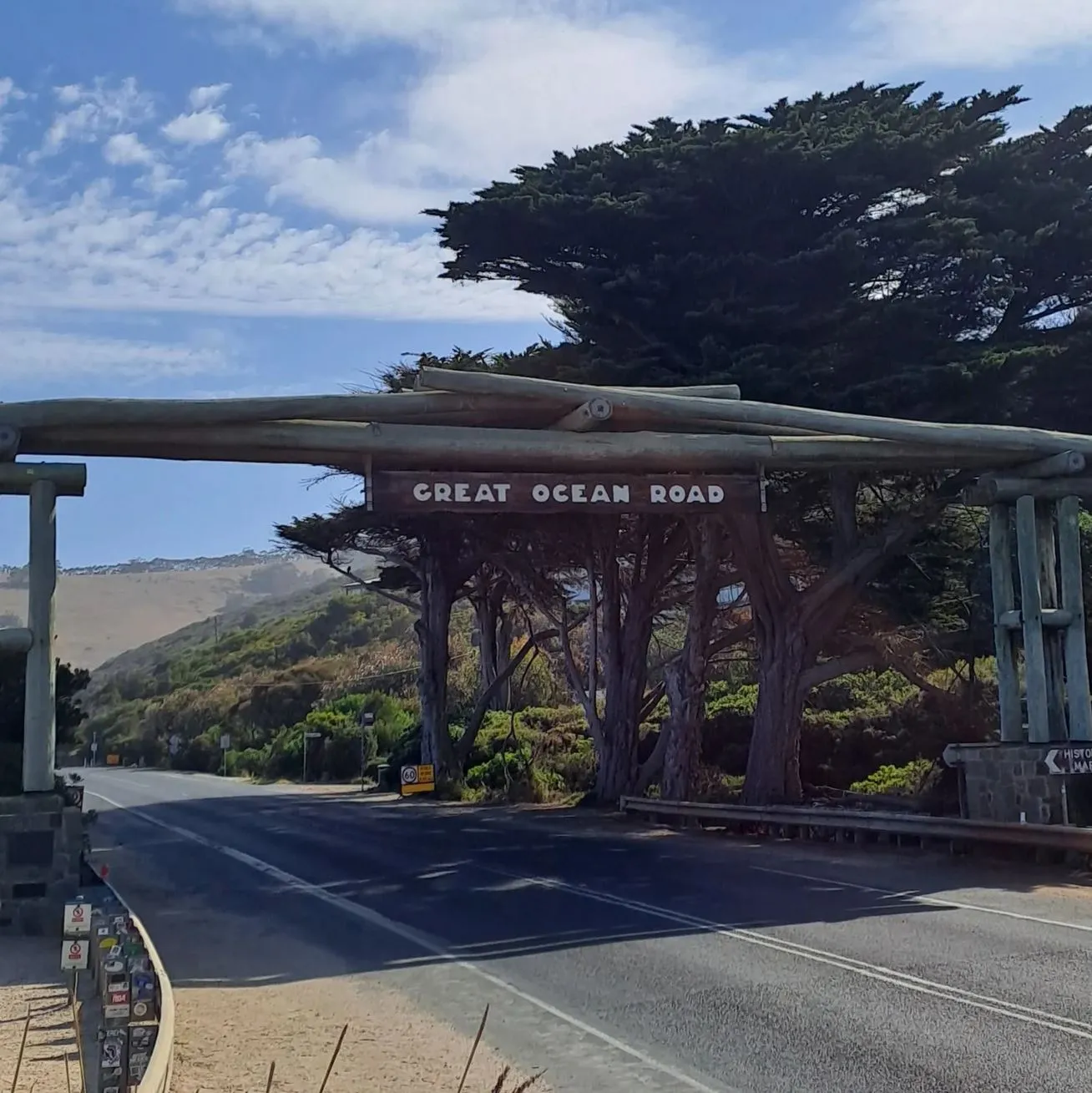
Not a UNESCO site but the Great Ocean Road has immense cultural and historical significance. Built by returned soldiers between 1919 and 1932 it’s the world’s largest war memorial to those who served in WWI. The road passes through national parks, pristine beaches and geological wonders like the Twelve Apostles making it an iconic part of Australia’s natural heritage.
The region is also home to diverse wildlife – koalas, kangaroos, various bird species, marine life – fish, whales and more. Conservation efforts in the area help preserve its unique biodiversity and protect its beauty from environmental degradation.
You can explore different landscapes along this stretch of road – rainforest, coastal sites, sand dunes, and dormant volcano formations. The road provides access to cultural treasures – ancient rock art which reflects the arrival of humans and their culture. The area’s cultural significance is further highlighted by its living culture – aquaculture systems and complex aquaculture networks developed by Indigenous Australians.
A Great Ocean Road trip gives you the opportunity to experience all this in one journey – a must-do for anyone visiting southwest Victoria. From breathtaking viewpoints to hidden coastal gems, every bend on this coastal road will surprise you.
Natural and Cultural Significance

The Great Ocean Road goes through some of Australia’s most unique landscapes, from its cliffs to its forests. South-west Victoria has an ancient landscape that has been evolving for millions of years, so you can see the past. It’s also home to rich natural ecosystems, a tropical rainforest teeming with life and diverse fish in its waters.
Along the way you’ll find Blue Lake, a stunning lake in a dormant volcano crater. This is just one of the many natural wonders of this drive. Nearby, you can see cultural sites that showcase Indigenous traditions, such as clay structures that have been used for aquaculture for thousands of years.
The Great Ocean Road is more than just a pretty drive – it’s a dynamic relationship between nature and human civilisation. The region’s natural resources have supported ancient and modern aquaculture networks, and tourism efforts have helped protect its fragile ecosystems from major threats. As citizen scientists and conservationists continue the work, the future-in-mind approach means this beautiful coastline will be protected for generations to come.
Exceptional Experiences
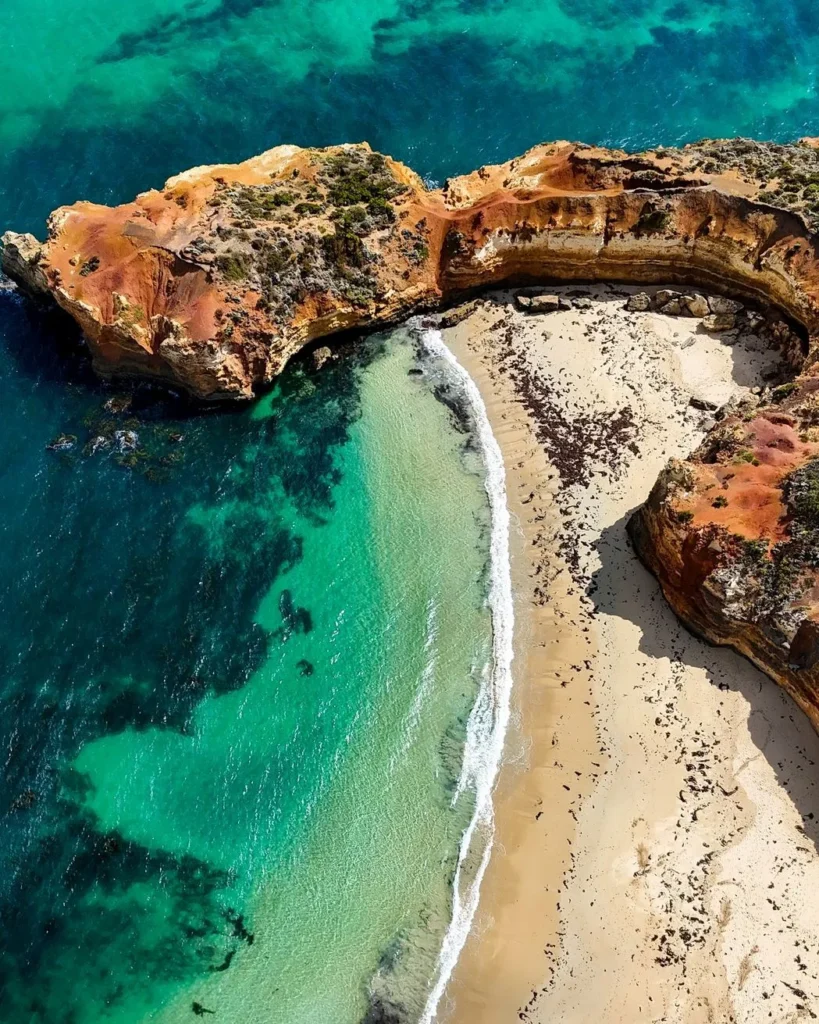
Beyond the stunning landscapes the Great Ocean Road has an array of experiences for you. Adventure seekers can take a helicopter safari for a bird’s eye view of the coast, while marine life enthusiasts can explore coral reef ecosystems and watch whales migrate along the shore. Farm fish experiences allow you to get up close and personal with sustainable seafood and see the complexity of aquaculture systems in the region.
Foodies will love the Great Ocean Road too – exceptional dining experiences showcase fresh local produce. Whether it’s seafood straight from the ocean or gourmet meals inspired by the region’s natural bounty, you’ll find plenty to eat along this drive.
The road also takes you to heritage sites, including ancient rock art that shows the long-standing presence of Indigenous communities. These cultural treasures are a testament to the rich history and traditions of the people who have lived in this region for thousands of years. Seeing these sites will allow you to connect with one of the oldest cultures on earth while admiring the shape of the rocks that have been around for millions of years.
Could it Become a UNESCO Site?

There has been talk over the years of putting the Great Ocean Road up for consideration as a UNESCO site, mainly for its geology and historical importance. If an application is made and meets the criteria, it could be a UNESCO site in the future.
And the region’s natural resources, aquaculture systems and ecological networks are big for conservationists and citizen scientists. Balancing tourism with environmental protection is part of the green movement and thinking ahead, so we can preserve these natural places for future generations.
For now you can still enjoy the beauty and culture of the Great Ocean Road, whether it’s a UNESCO site or not. The drive is one of Australia’s best and people come from all over the world to experience it. A Great Ocean Road tour allows you to see stunning coastal cliffs, rainforests and historic sites, dine at exceptional restaurants, take a helicopter tour, farm fish or explore heritage sites.
Conclusion
With its mix of nature and human history the Great Ocean Road continues to fascinate with its natural beauty, cultural significance and the conservation efforts to mitigate the big threats and the devastating impact of climate change. Whether driving the road or engaging with the local heritage a Great Ocean Road trip is unforgettable.
FAQ
Is the Great Ocean Road protected even though it’s not a UNESCO site?
Yes, the Great Ocean Road and surrounding areas are protected by national parks, marine reserves and heritage sites to preserve its natural beauty and cultural significance.
What are the benefits of UNESCO World Heritage status?
UNESCO recognition brings increased global awareness, funding for conservation and tighter regulations to protect a site from environmental and development threats.
What other UNESCO sites are in Australia?
Australia has several UNESCO World Heritage Sites including the Great Barrier Reef, the largest coral reef in the world, Kakadu National Park, the Sydney Opera House and the Tasmanian Wilderness.
How long is the Great Ocean Road and how long should I spend on it?
The Great Ocean Road is 243km (151 miles) long. We recommend spending at least 2-3 days to fully appreciate the views and attractions. If you have limited mobility you can still see key attractions from viewing platforms.
What are the must-see spots along the Great Ocean Road?
The Twelve Apostles, Loch Ard Gorge, London Arch, Otway National Park, the Blue Lake, Lorne and Apollo Bay are just a few of the highlights. You can also explore ancient landscapes and cultural sites that showcase Indigenous traditions and historical clay structures.