







You’ve probably seen the photos of the Great Ocean Road clinging to Victoria’s rugged southern coast. That snaking ribbon of bitumen, with surf crashing below and eucalypts leaning in overhead— it’s one of the world’s most scenic roads. And rightly so. But what most tourist brochures gloss over is the story of who built this iconic stretch of road—and why.
That story isn’t about government suits or millionaire tycoons. It’s about returned soldiers—men who’d been through hell in World War I—carving a legacy into sandstone and cliff with their own sweat and guts.
Contents
From Battlefield to Bush Track
After the war ended in 1918, Australia had a problem on its hands. Thousands of returned soldiers were looking for work, and the country’s patchy road system along its coastlines was hardly connected. Howard Hitchcock, a Geelong mayor with a vision, spearheaded the idea to link those coastal towns by road—and give those diggers a job and a purpose.
In 1919, the Great Ocean Road Trust was formed. It wasn’t a government operation; it was a public initiative funded by donations and private subscriptions. People ran it like a community cooperative. The plan was to build a coastal road from Torquay to Allansford (near Warrnambool) and give returned servicemen a reason to get up in the morning.
How the Road Was Built
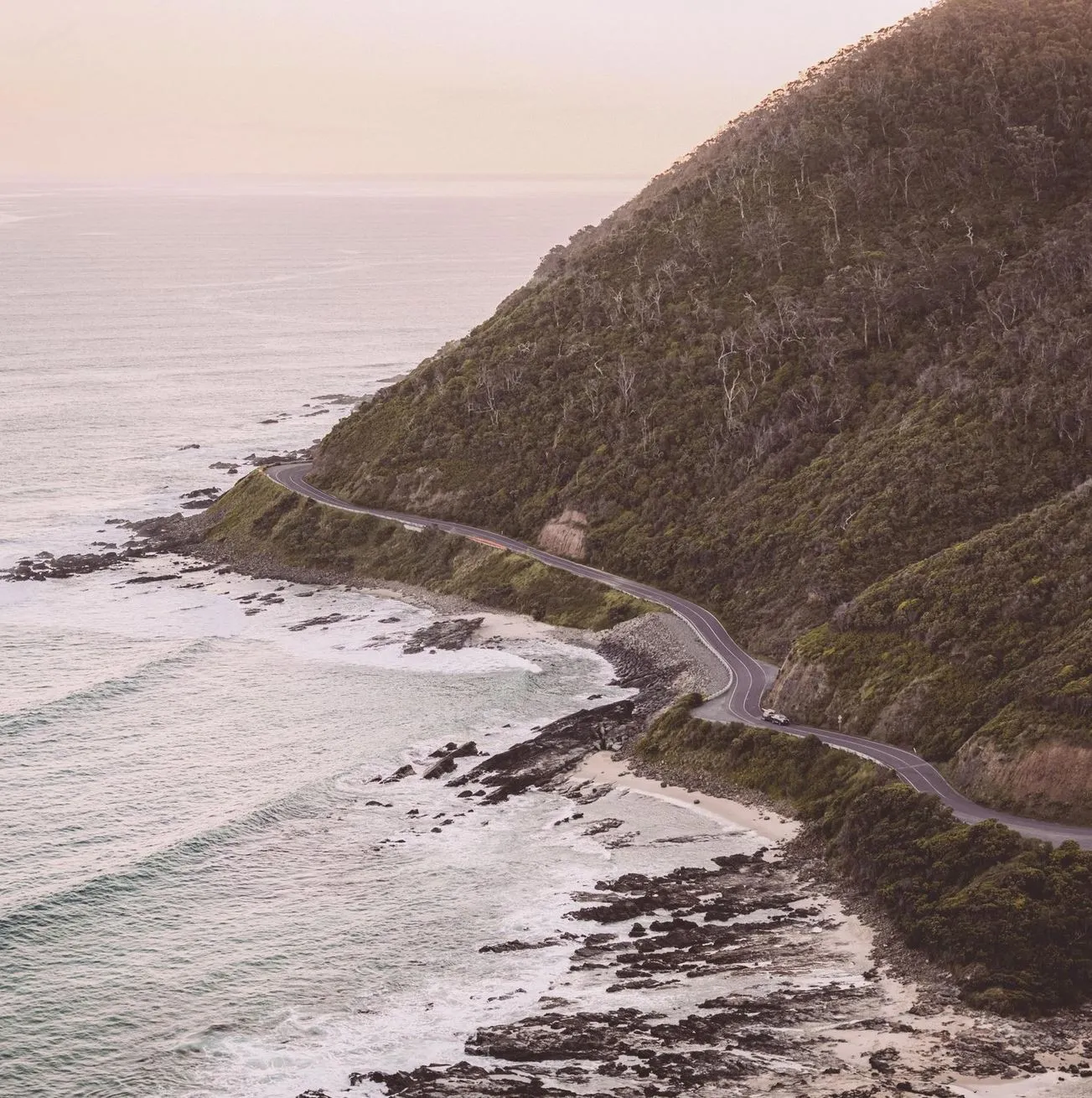
Construction started in September 1919. About 3,000 returned servicemen signed up for the job. And let’s be clear: this wasn’t some modern highway project with diggers and drones. These blokes worked with hand tools, dynamite and grit. They hacked through dense bush, scaled rocky cliffs, cleared landslides—sometimes dangling in canvas harnesses over steep cliffs. They lived in bush camps, endured extreme weather and worked six hours a day, six days a week for small wages. That terrain between Lorne and Apollo Bay? Rough as guts. Even donkeys struggled there.
When I first camped along Wye River, the old stone retaining walls still visible along the bends gave me a new respect for those early crews. No traffic cones, no GPS—just raw manpower and some very determined engineers. Their work overcame some of the toughest accessibility barriers in one of Australia’s most rugged terrain zones.
How Long Did It Take to Build the Road?
The road was opened in stages, with the Eastern View to Lorne section completed in 1922 and the whole road to Allansford in 1932. Thirteen years of blood, sweat and shovels — a true engineering feat given the terrain and resources.
At the time of completion, it was the longest utilitarian memorial in the world, dedicated to the soldiers who fought and died in the Great War. Yes, it’s more than just a tourist spot. It’s a living, drivable monument.
A Toll Road With a Purpose
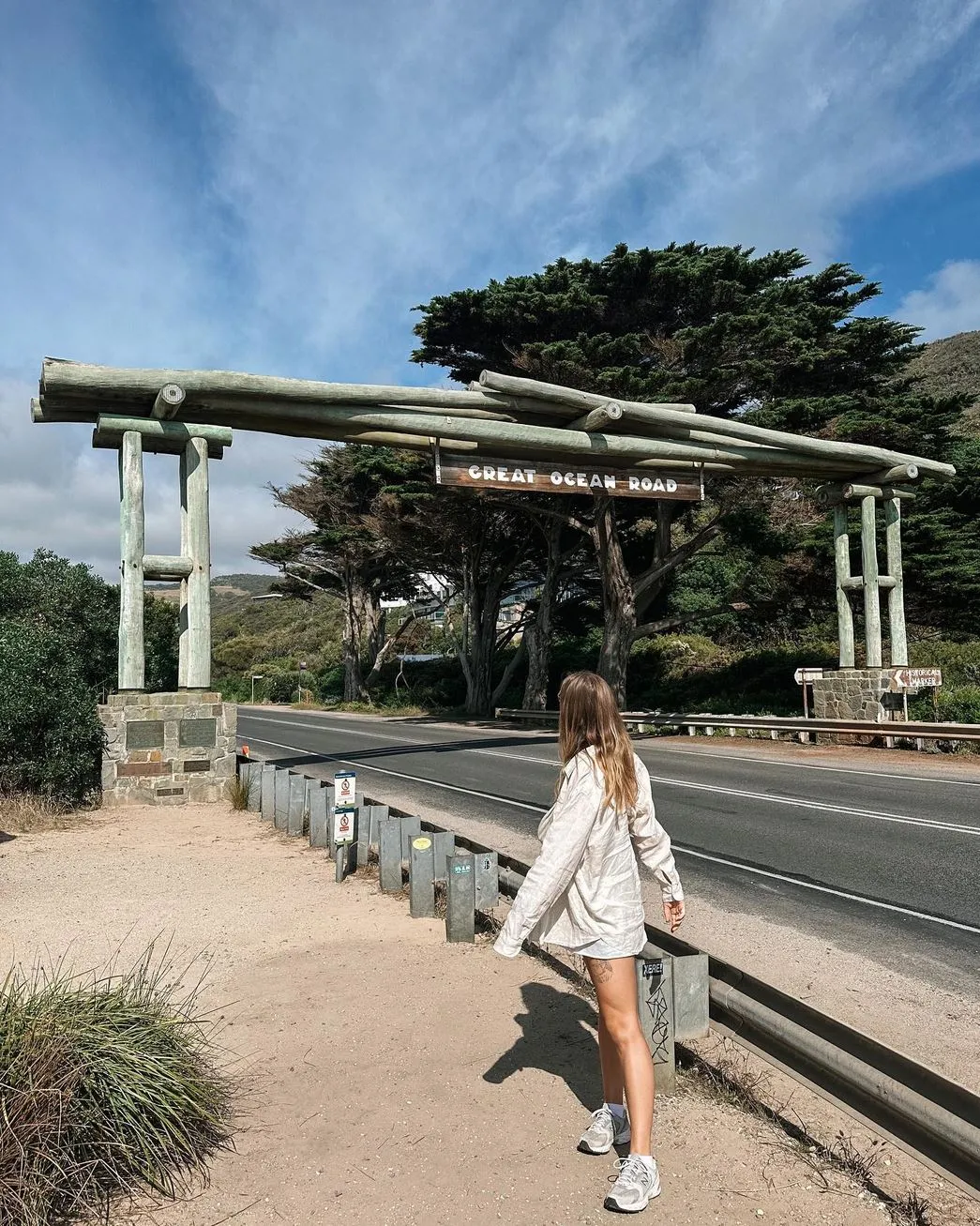
For the first few decades road users paid a toll at a toll gate to use the Great Ocean Road. But it wasn’t going into government coffers — it was used to pay off the construction costs of the Great Ocean Road Trust and maintain the road. Only in 1936 did the road get handed over to the state and become toll-free.
Today you’ll still pass under the famous Memorial Arch at Eastern View where a timber archway honours the returned servicemen who built it. It’s a permanent memorial watching over the route.
Modern Upgrades, Old Bones
Parts of the road have been widened, reinforced or re-routed over the years — especially after bushfires, erosion and landslides — but the original spirit of the construction remains. You can still see stonework, drainage systems and early retaining walls built by hand a century ago. One vehicle used to battle this road — now it carries convoys.


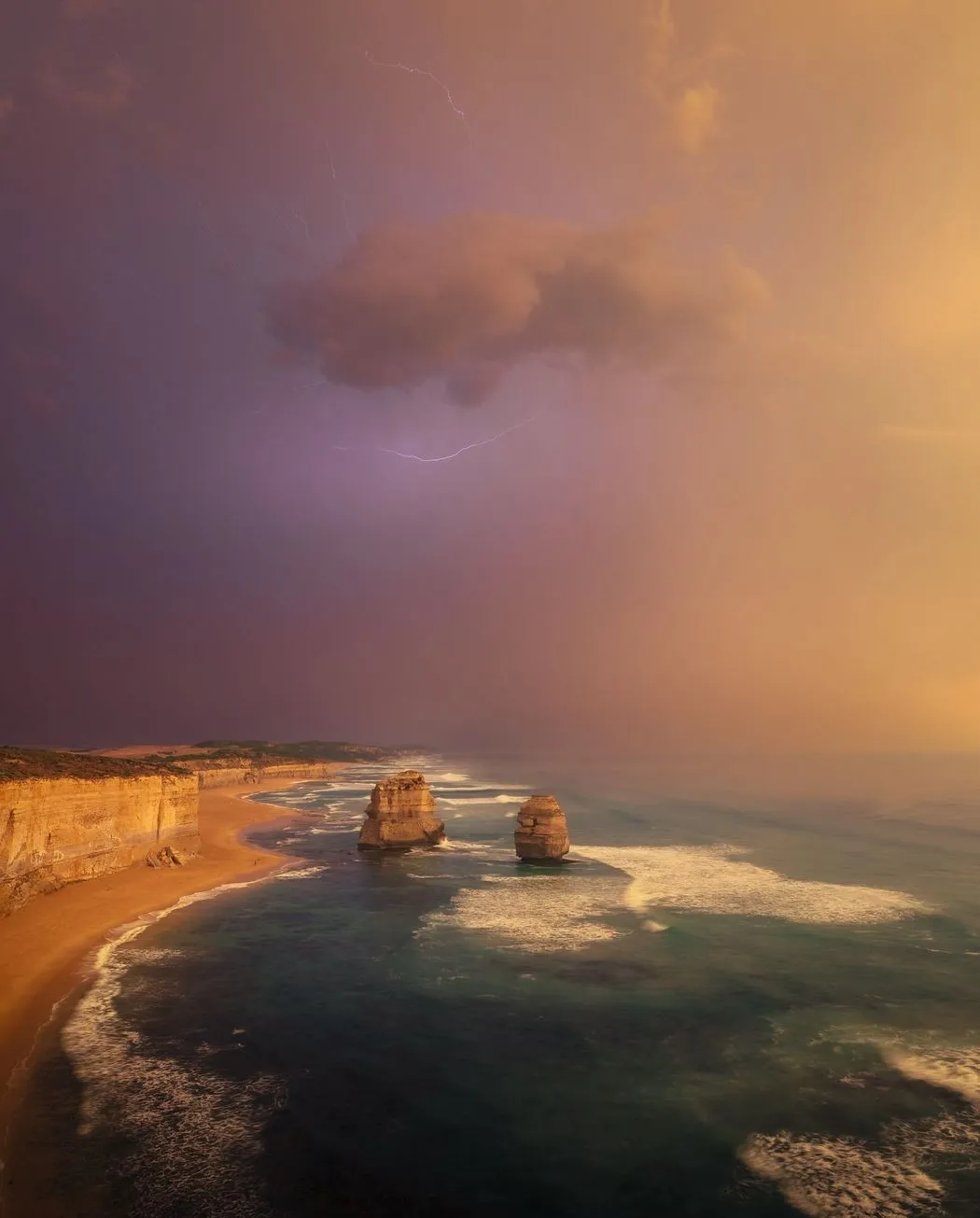
And while today’s drivers complain about a tough drive, tight corners and tour buses, I reckon the diggers who built this would just say, “soft.”
Want to Walk in Their Footsteps?
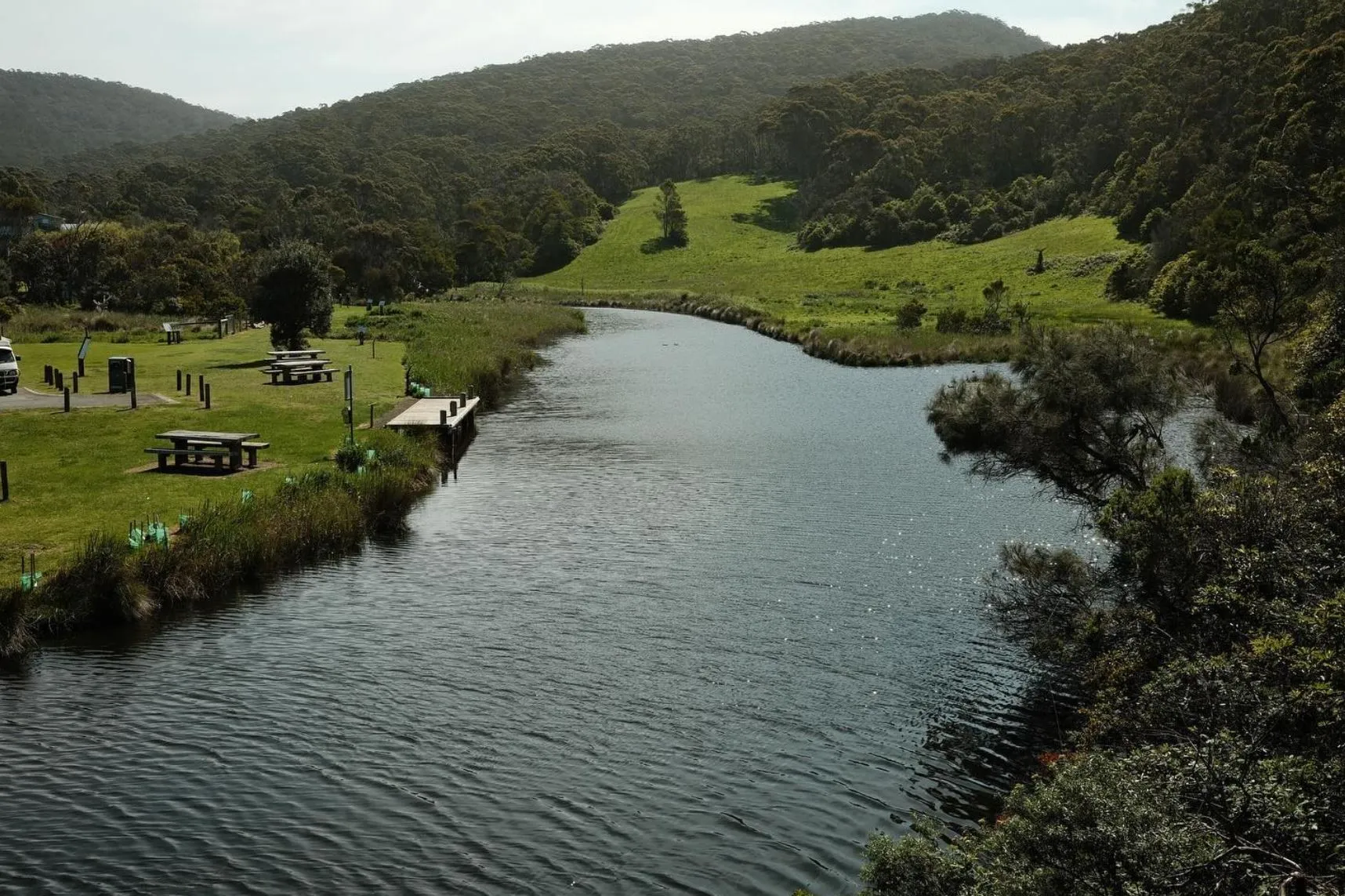
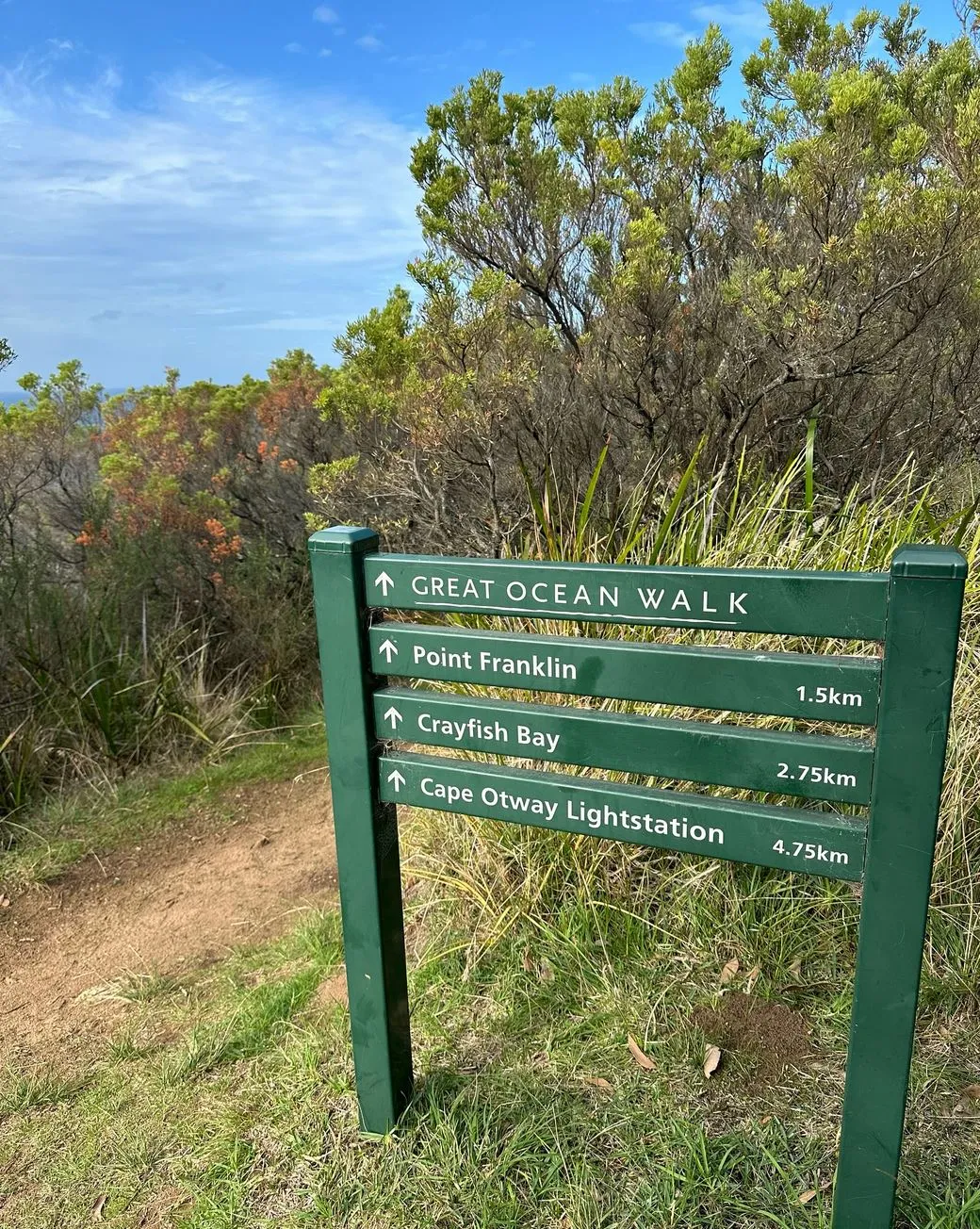
You can explore some of the old construction campsites and memorials around Wye River, Lorne and Kennett River. Look for plaques, bluestone remnants and interpretive signs. Some sections of the old road alignment are now walking trails. These paths show the accessibility efforts that have been made over the generations.
Many Great Ocean Road tours stop at these lesser known historic sites and give you a deeper understanding of the road’s history beyond the scenic highlights.
Respecting Country
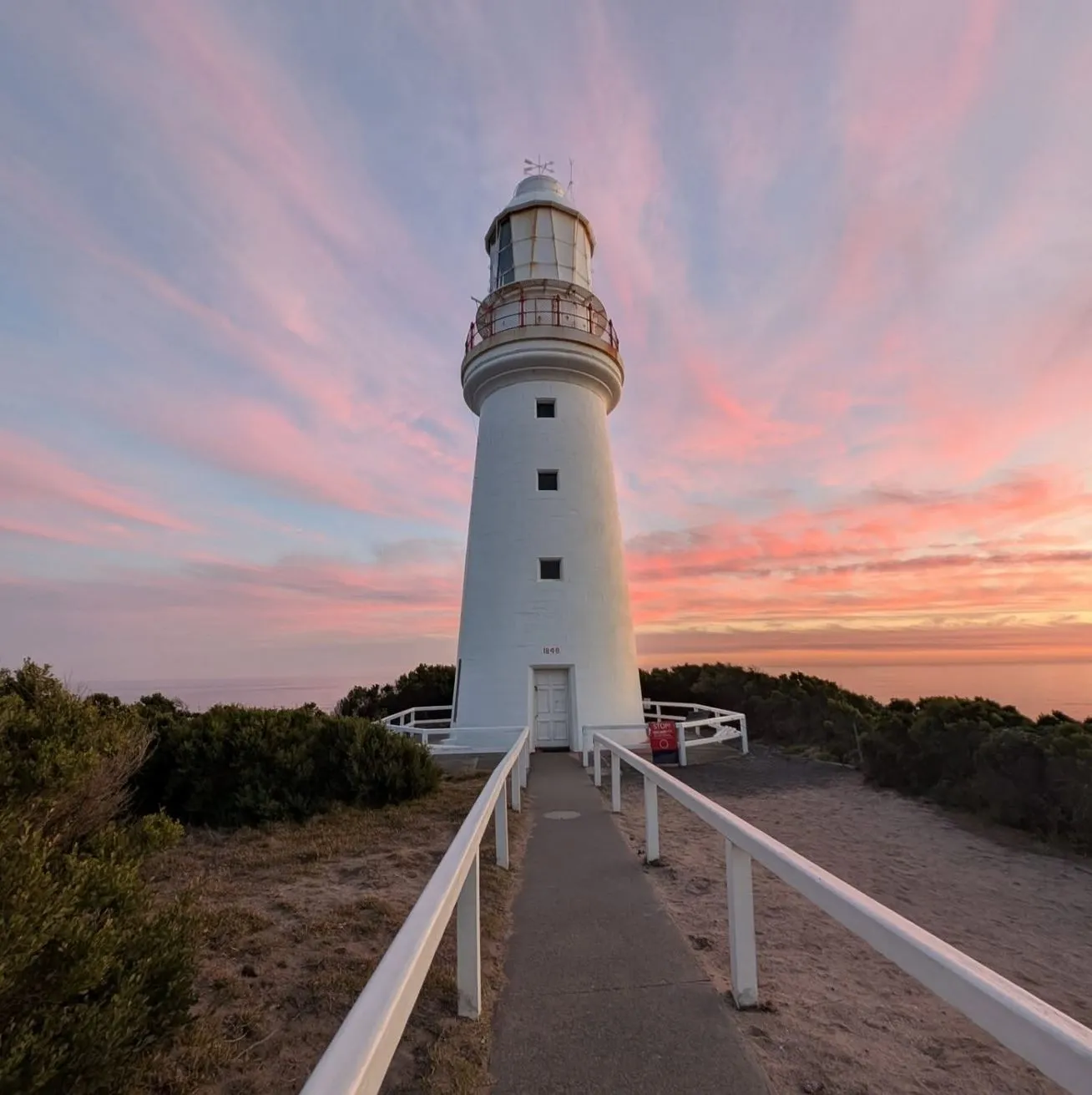
Remember the Great Ocean Road also crosses Gadubanud Country. Before it was a road this land had stories, songlines and sacred sites. As we drive it today, pause at places like Cape Otway and the Great Otway National Park to acknowledge the history that existed before colonisation.
This road may be cut into limestone cliffs and rugged coastline but it’s also in a country of deep cultural and ecological importance.
Towns, Terrors and Tourists
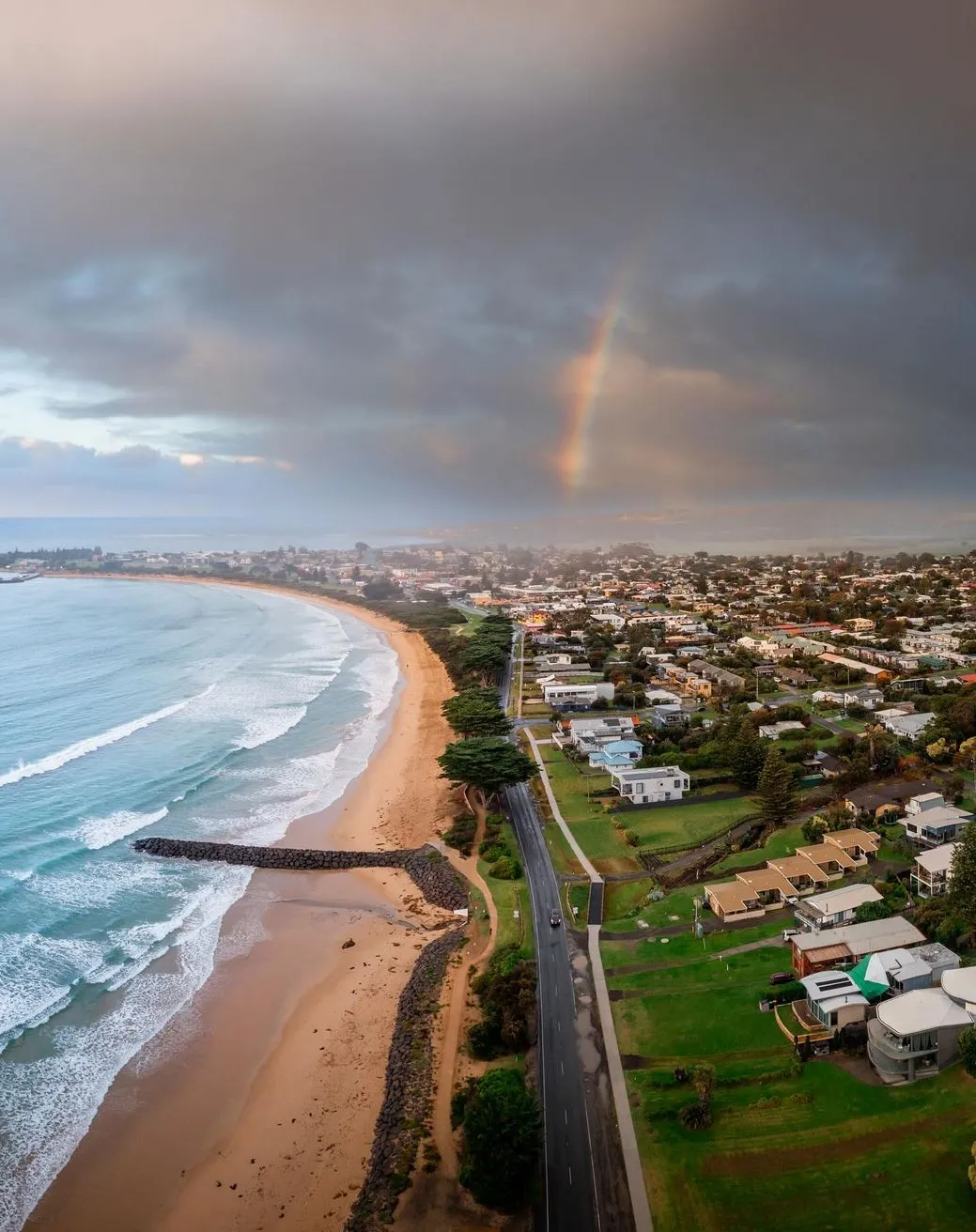
Today the Great Ocean Road connects coastal towns, seaside towns and historic towns like Lorne, Anglesea, Port Campbell and Apollo Bay. Once isolated towns are now popular waypoints on the coastal road trip. It’s an iconic piece of history — a stretch of road with a rich history and more than a few shipwreck stories.
Driving this route you’ll see:
- Dramatic landscapes and rock formations like the Twelve Apostles
- Cliffs battered by nature and bad weather
- Inland routes into the Otways
- Towns once cut off from each other
- Scenic drive after scenic drive — coastal magic at every turn
If you’re short on time there are plenty of Great Ocean Road day tours that cover the key sections in a day — but honestly it’s worth stretching it out.
And if you’ve ever been caught in a summer convoy you’ll know it’s still one of Australia’s most popular tourist attractions.
Did You Know?
- The route passes areas once only accessible by coach track or boat.
- The project was partly funded by barrels of beer delivered to thirsty workers.
- The Great Ocean Road pioneered the 8-hour day for many road workers.
One Last Thing
Next time you drive past the cliffs of Lorne or pull into Apollo Bay for fish and chips, spare a thought for the blokes in canvas tents who built this road with picks and powder. It’s more than a pretty drive — it’s a scar carved by history, one shovel at a time.
Got a Great Ocean Road story in the family? I’d love to hear it — comment below or shoot me a message. And if you’re planning a road trip down this famous stretch, give yourself plenty of time. There’s more here than just the big ticket stops. I’ll see you out there, boots dusty and billy boiling.
FAQ
Who thought of building the Great Ocean Road?
Howard Hitchcock, the then mayor of Geelong, wanted to employ returned soldiers and boost tourism.
When did it start and finish?
1919 to 1932
Was it government or private?
Privately funded through the Great Ocean Road Trust and built as a community project.
Why is it a war memorial?
Built by WWI veterans and dedicated to those who served and died in the war.
Is the original road still there?
Yes, although many sections have been upgraded, much of the original road and stonework is still visible.


