


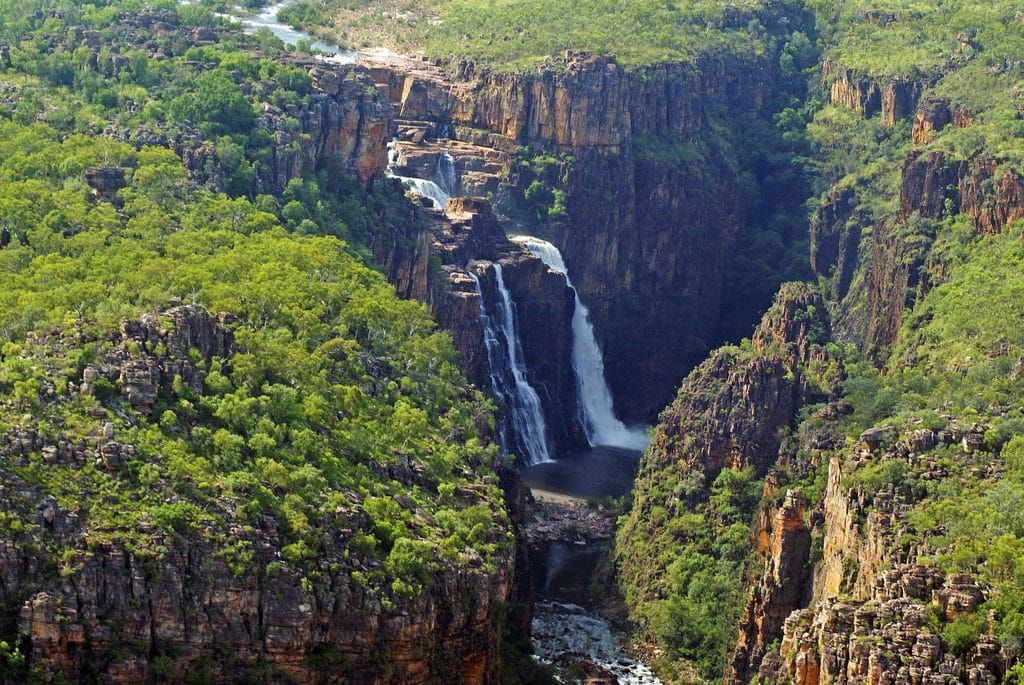

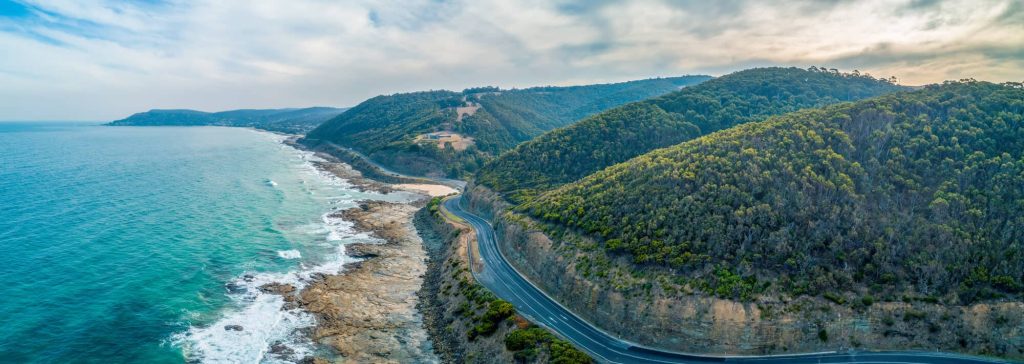
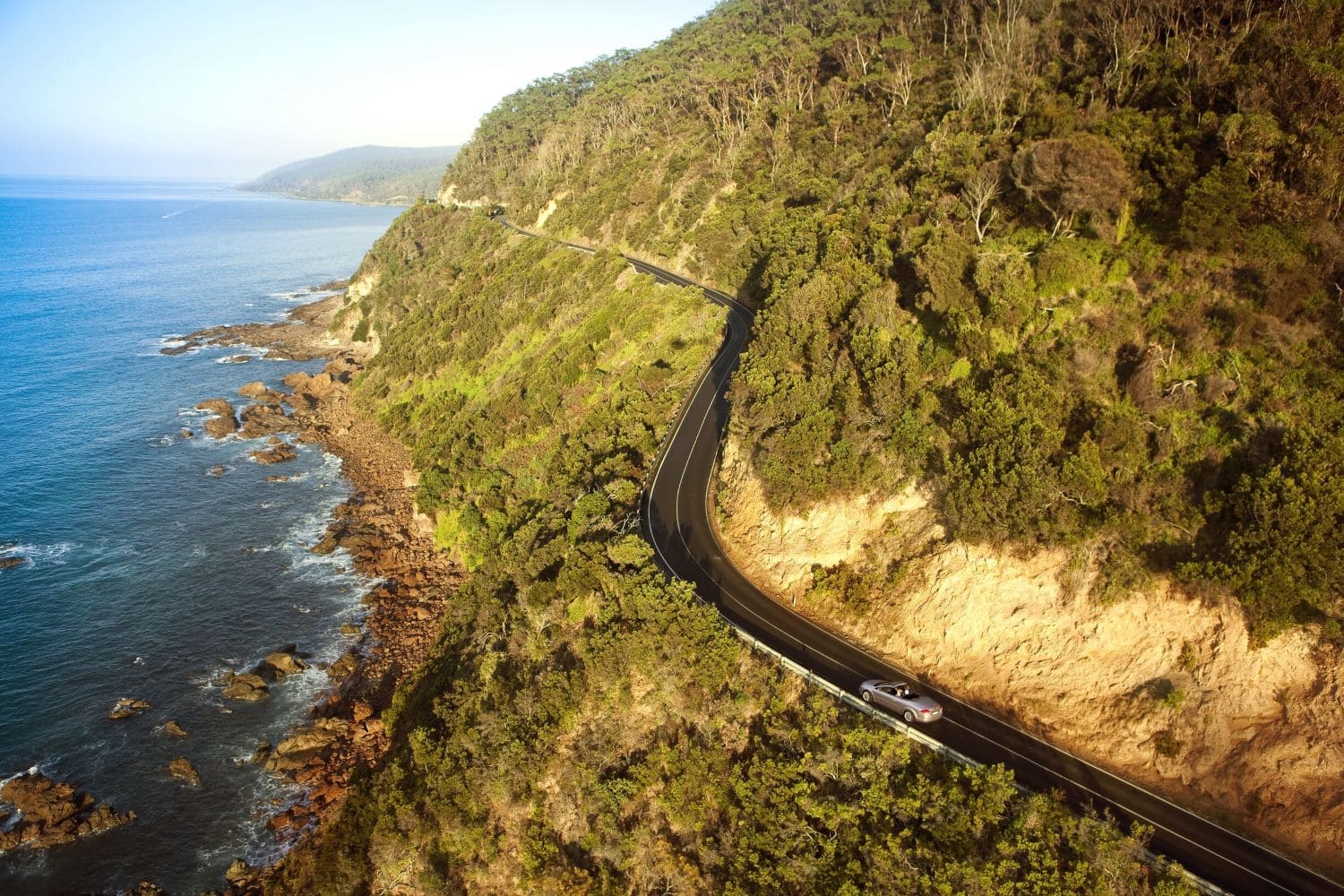
If you want a road trip that you will never forget, then the Great Ocean Road in Australia is the place to be. This drive is iconic because of its beautiful sceneries and breathtaking views. It is a must-visit destination for any traveler as it offers natural beauty, adventure and culture all in one package. The road stretches for 243 kilometers (151 miles) with charming towns, awe-inspiring cliffs and pristine beaches along the way. Whether you are an adrenaline junkie or just looking for some amazing sights, there is something for everyone on this route. So fasten your seat belts and get ready to make stops at picturesque places while meeting new people along the way. Prepare yourself to Drive the Entire Great Ocean Road for the ultimate adventure!
Contents
- 1 Planning Your Great Ocean Road Journey
- 2 Stops that are well-known along the Great Ocean Road
- 3 Activities to Do Along the Way
- 4 Local Food and Culture
- 5 Essential Tips for a Successful Road Trip
- 6 Conclusion
- 7 FAQs
- 7.1 FAQ 1: What is the total distance of the Great Ocean Road?
- 7.2 FAQ 2: Are there any tolls on the Great Ocean Road?
- 7.3 FAQ 3: Can I drive the Great Ocean Road in one day?
- 7.4 FAQ 4: What wildlife can I expect to see along the Great Ocean Road?
- 7.5 FAQ 5: Is the Great Ocean Road suitable for family trips?
Planning Your Great Ocean Road Journey
Best Time to Drive
When planning your adventure, timing can greatly enhance your experience on the Great Ocean Road. The best time to drive is during Australian summer which falls between December and February when temperatures are warm enough for beach activities. However, spring (September-November) and autumn (March-May) are also popular among many travellers due to less crowds and more vibrant landscapes respectively. You may want to consider events such as Torquay Surf Life Saving Club’s Carnival held every summer or Great Ocean Road Running Festival which takes place in May when planning your visit around these times too. Also note that winter months from June through August tend have colder weather with rain but this creates a unique misty atmosphere perfect for dramatic photography so don’t rule out winter completely! Each season has its own charm along this epic route so no matter when you go there will always be something different waiting for you.
How Long to Spend
To fully appreciate what this area has got going on it would be best if one were to spend at least two-three days driving through here. It can get tiring having too many things planned out so take your time and enjoy the views as they come. This will give you enough time to visit key stops such as Torquay, Lorne and the Twelve Apostles which are known for their natural beauty among other things. Here is a suggested itinerary that will help you make the most of your trip:
-
- Day 1: Torquay to Apollo Bay (Relax at beaches, visit Surf World Museum)
- Day 2: Apollo Bay to Port Campbell (Hike to Erskine Falls, visit Twelve Apostles)
- Day 3: Return to Melbourne via inland routes (Explore quaint villages and wineries)
Stops that are well-known along the Great Ocean Road
Torquay and Bells Beach
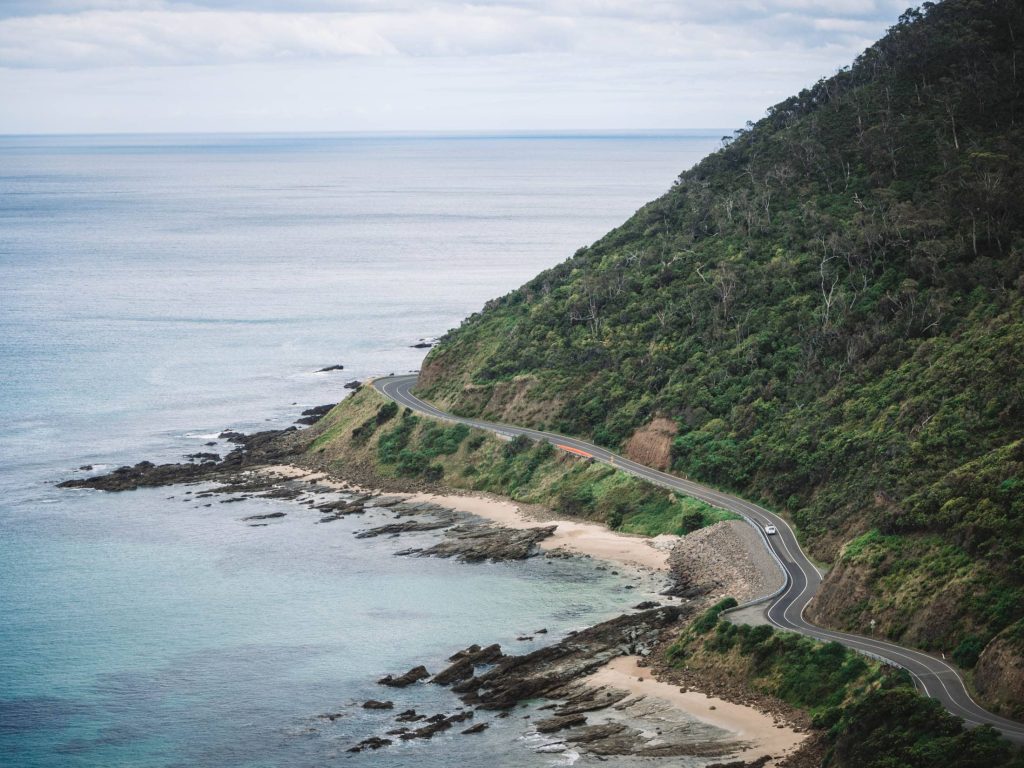
Torquay is where you should start your journey. It is the birthplace of Australia’s surfing culture and a great base for adventure. Bells Beach has powerful waves that are known all over the world, as well as annual surf competitions. Apart from its iconic surf spots, Torquay boasts charming local shops, cafes with a view and stunning coastal outlooks. Visit the Surf World Museum to learn about the history of Australian surfing if you have time. You can also swim, kayak or simply relax on one of many sandy beaches here while waiting for your tiredness after long driving to go away – this place basks in the sun.
Anglesea and Aireys Inlet
Anglesea offers picturesque views, beautiful beaches and cliff-top walks along its coast as you continue your trip. This peaceful town is perfect for a picnic lunch where kangaroos can often be seen lazing around on nearby golf courses! Just a short drive from Anglesea is Aireys Inlet which features the Split Point Lighthouse – an iconic landmark steeped in history. Climbing to the top rewards visitors with breathtaking panoramic views over surrounding landscapes and coastlines while adjacent beaches provide safe swimming areas ideal for families or those wanting some relaxation time out in nature away from crowded places like malls etcetera; don’t forget your camera because these sights will take your breath away!
Activities to Do Along the Way
Surfing and Swimming
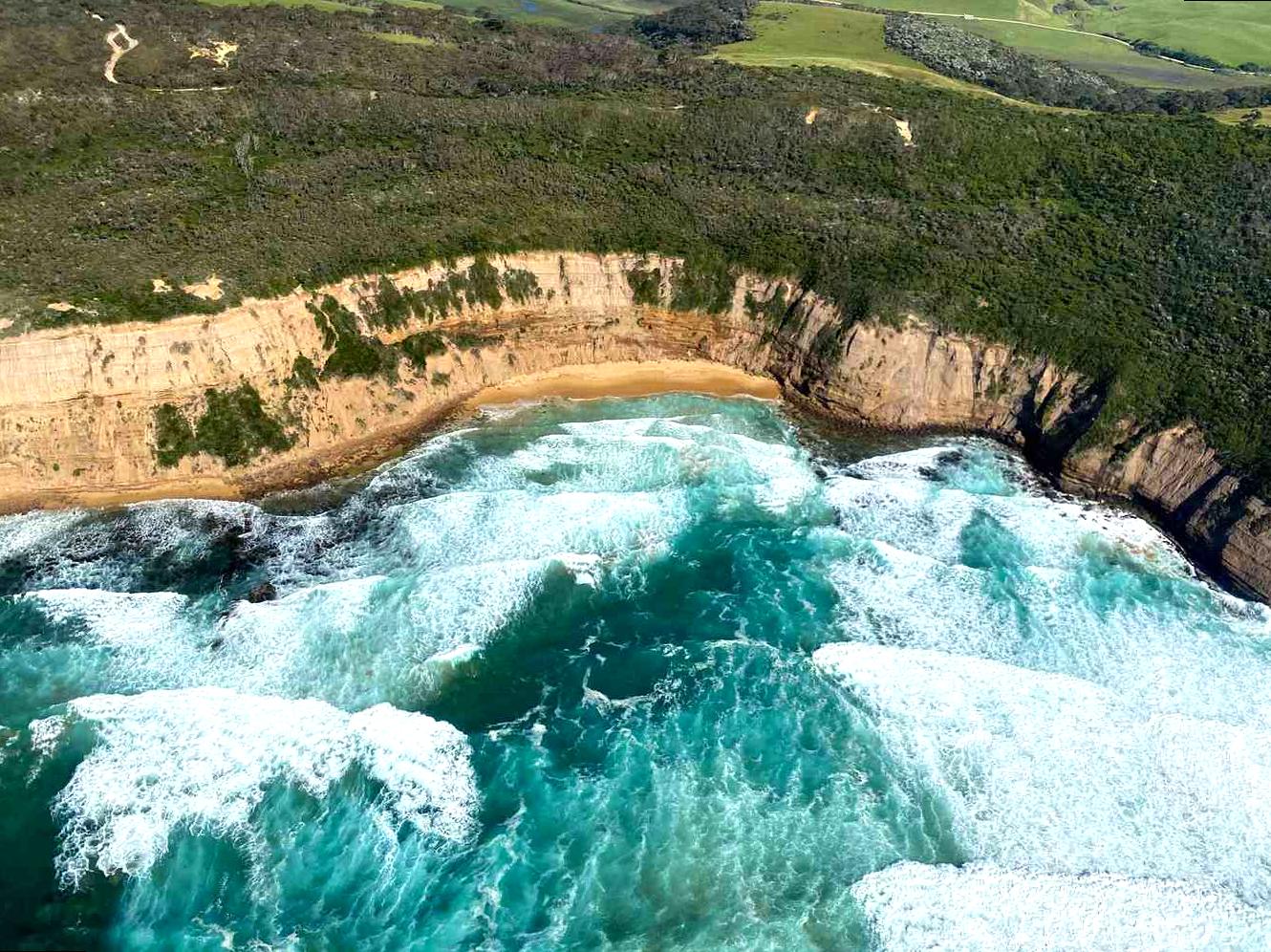
Surfing is one of the most popular activities along the Great Ocean Road. People come from all over the world to surf at its beaches. There are waves for everyone, whether you’re a beginner or an expert. In addition to major spots like Bells Beach, there are many hidden gems where you can take swimming lessons or just have a dip. Always check local conditions and swim between the flags. Here are some of the best places to surf on the Great Ocean Road:
| Beach | Surf Level | Facilities |
|---|---|---|
| Bells Beach | Advanced | Toilets, Hire, Lifeguards |
| Torquay | All Levels | Cafes, Hire, Lifeguards |
| Anglesea | Beginner | Toilets, Hire, Lifeguards |
| Wye River | Beginner to Intermediate | Camping, BBQ Areas |


Hiking and Nature Walks
If you love nature, there are plenty of places to go hiking on the Great Ocean Road. You can take a walk through the rainforest or along the cliffs and see some amazing views. The Great Ocean Walk is one of the most popular trails in the area. It’s 104 kilometers long and goes from Apollo Bay to the Twelve Apostles. Along the way, you’ll see beautiful scenery and lots of different animals. Keep an eye out for koalas, kangaroos, and birds. There are also lots of other walks you can do that aren’t as long. Every turn you take will lead to another great photo opportunity – so don’t forget your camera! The paths are well maintained and it’s always peaceful, so every hike is a good one.
Local Food and Culture
Tasting the Regional Cuisine
One of the best ways to experience the Great Ocean Road is through its culinary offerings. Along the way, you will find many restaurants, cafes, and wineries that serve amazing dishes from different parts of the region. From fresh seafood caught in local waters to handmade cheeses and special coffees, there’s something for every palate. Don’t forget to visit some wineries while you’re here – there are several award-winning vineyards along this stretch of coast alone! You can even try matching food with local wines at certain wineries which have beautiful views over their vineyards. A journey through food is just as important as what you see – so enjoy every mouthful!
Essential Tips for a Successful Road Trip
Preparing for a road trip is essential if you want it to be smooth sailing all the way. Here are some key tips to remember before you hit the road:
- Pack Properly: Take snacks, water, a first aid kit and a good camera for capturing memories.
- Observe Traffic Rules: Be aware of speed limits especially when passing through towns or tourist spots.
Also ensure your vehicle is in good shape; check tires, brakes and fluids before starting off on your drive. If renting a car make sure it’s suitable for long distance driving and has GPS navigation system installed. Keeping up-to-date with local weather conditions and closures will also add value to your travel experience; this information will keep you safe and ensure an enjoyable road trip!
Conclusion
In conclusion, driving the entire Great Ocean Road is not just about getting to a destination but rather an experience in itself. From breathtaking coastal scenery to unique cultural offerings, every moment spent travelling along this magnificent coastline is truly an adventure. Whether you’re after surfing, local cuisine or simply love driving; this iconic road is waiting for you as a hidden gem. Brace yourself for stunning views, unforgettable encounters and memories that will last forever!
FAQs
FAQ 1: What is the total distance of the Great Ocean Road?
The Great Ocean Road spans approximately 243 kilometers (151 miles) along Australia’s southeast coast.
FAQ 2: Are there any tolls on the Great Ocean Road?
No, there are no tolls on the actual Great Ocean Road which makes it affordable for all drivers.
FAQ 3: Can I drive the Great Ocean Road in one day?
While it is possible to complete the drive in one day, it is recommended that you take at least two to three days so as to fully enjoy what’s on offer along the way.
FAQ 4: What wildlife can I expect to see along the Great Ocean Road?
You can expect to see koalas, kangaroos, various bird species as well as dolphins and seals among other marine life along this route.
FAQ 5: Is the Great Ocean Road suitable for family trips?
Absolutely! There are plenty of attractions, activities and family-friendly stops dotted all over this road making it perfect for travellers of all ages.


