





Interactive flora and fauna displays are educational setups that engage visitors in understanding the intricacies of nature through hands-on experiences. These exhibits are designed to not only inform but also motivate people to appreciate and preserve the environment. By providing a platform for active participation, these displays cater to a wide audience, making learning about biodiversity both exciting and accessible. They leverage technology and creativity to showcase the beauty of plant life and animal species in immersive ways. Through this article, we will explore the importance of these displays, their benefits, and examples of how they are being implemented around the world.
Contents
Understanding the Concept of Interactive Displays

Interactive flora and fauna displays incorporate innovative technologies, such as augmented reality (AR) and virtual reality (VR), to create a more engaging experience. In addition to traditional exhibits, these modern installations invite visitors to touch, manipulate, or even digitally interact with the flora and fauna they are learning about. For instance, an AR-enabled exhibit may allow users to explore how a particular plant evolves through seasons or how animal behaviors change in various environments. This technique not only enhances retention of information but also fosters a deeper connection with the subject matter, turning passive observation into active exploration.
Moreover, the interactive aspect helps in catering to different learning styles. Kinesthetic learners benefit from hands-on activities, while visual learners are drawn to engaging graphics and animations. Moreover, auditory learners find value in audio guides or interactive quizzes. This diversity in presentation encourages more individuals to participate and absorb knowledge, promoting a fuller understanding of the ecosystem. Ultimately, the objective of these displays is to stimulate curiosity and instill a sense of responsibility towards nature.
The Benefits of Interactive Flora and Fauna Displays
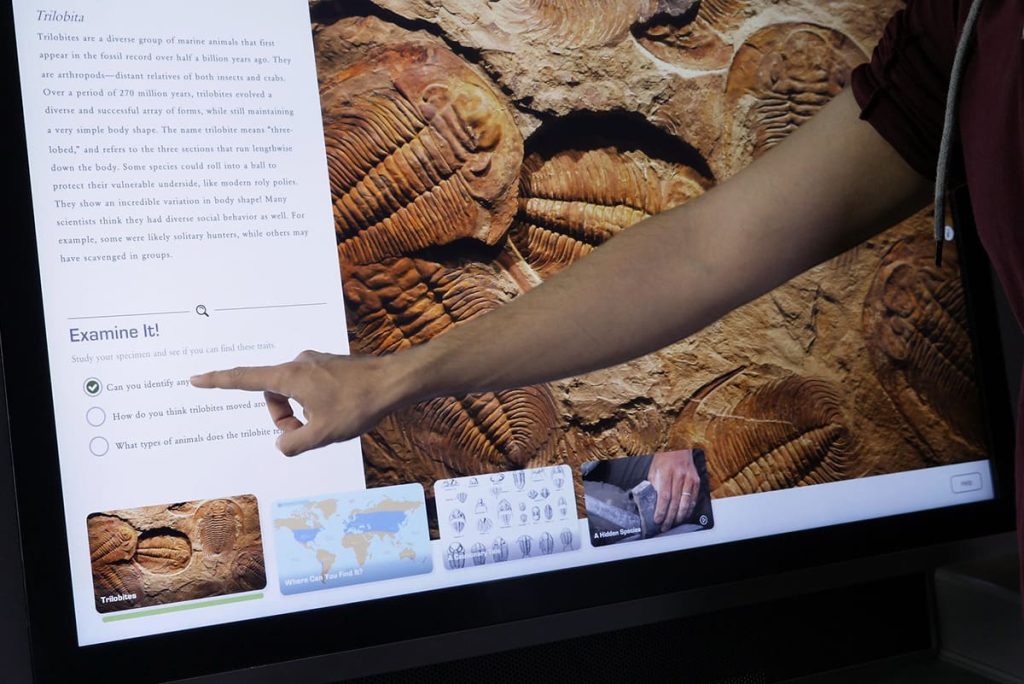
There are numerous benefits associated with interactive flora and fauna displays that positively impact both individuals and communities. Firstly, these educational experiences inspire curiosity about the natural world. When people interact with nature in a dynamic way, they are more likely to ask questions, seek answers, and nurture a love for learning. Secondly, they promote environmental awareness. By illustrating the interconnectedness of ecosystems and showing the impacts of human activities, visitors become advocates for conservation efforts.
Furthermore, interactive displays can significantly enhance community engagement. They bring families, schools, and local organizations together for events, workshops, and educational programs, reinforcing community ties through shared experiences centered on nature. They also provide opportunities for critical discussions about sustainability, biodiversity, and climate change on a more accessible level. In educational contexts, such displays can improve academic performance by combining theory with practical experience, making it easier to grasp complex concepts.
Examples of Innovative Interactive Displays




Many institutions around the world are leading the way in developing unique interactive flora and fauna displays that captivate and educate their audience. Here are several notable examples:
-
- The California Academy of Sciences: This venue features living exhibits where visitors can walk through a rainforest dome or touch tide pool animals while learning about their ecosystems.

- The Denver Museum of Nature & Science: Their Interactive Nature exhibit uses immersive technology to let visitors experience different habitats and the species that inhabit them, offering a journey through varied environments.
- The Waikiki Aquarium: Known for its visual displays, it includes touchscreen stations where guests can learn through engaging quizzes and fun facts about marine life.
These examples illustrate how interactive displays are reshaping environmental education and inspiring individuals of all ages to connect more deeply with nature. They unleash the power of curiosity, enabling attendees to learn exciting and complex concepts through engaging, interactive experiences.
Creating an Impact Through Interactive Learning
Interactive flora and fauna displays have a profound impact on enhancing environmental education and promoting sustainable practices. By engaging participants in interactive learning, these displays aim to foster a deeper understanding of the fragile ecosystems we inhabit. They empower individuals not just to learn passively, but to act as informed stewards of the environment. This participatory approach can lead to behavioral changes that benefit the planet, such as increased recycling, conservation efforts, and advocacy for stricter environmental policies.
Furthermore, they play an essential role in educating younger generations. Exposure to interactive learning environments cultivates an appreciation for biodiversity and the need for preservation from a young age. When children explore nature in a hands-on manner, they develop not only knowledge but also respect and admiration for the natural world. Consequently, these immersive experiences can ignite passion and loyalty toward environmental conservation initiatives as they grow into adults.
Conclusion
In summary, interactive flora and fauna displays serve as powerful tools for learning about nature while simultaneously nurturing a greater sense of environmental stewardship. They provide engaging and inclusive experiences that cater to different learning styles, making them perfect for everyone from curious children to experienced nature enthusiasts. By exploring the beauty and complexity of ecosystems in an interactive context, individuals can develop a lasting connection and commitment to protecting our planet. As we continue to innovate in the realm of educational displays, the potential to inspire future generations to engage with and defend our natural world is limitless.
FAQs
Interactive flora and fauna displays are educational installations that allow visitors to engage with nature interactively, often using technology like augmented and virtual reality to enhance the learning experience.
2. How do interactive displays benefit students?
They benefit students by enhancing engagement, accommodating various learning styles, and providing hands-on experiences that promote a deeper understanding of ecological concepts.
3. Where can I find notable interactive flora and fauna displays?
You can find them in various institutions like the California Academy of Sciences, the Denver Museum of Nature & Science, and the Waikiki Aquarium, among others.
4. What tones do these displays adopt to engage visitors?
These displays often adopt a vibrant and informative tone, aiming to captivate audiences by blending fun with education to maintain visitor interest and encourage exploration.
5. How do these displays promote environmental conservation?
They promote environmental conservation by raising awareness about ecosystems, illustrating human impacts, and inspiring visitors to become advocates for sustainability through informed discussions and actions.


