








Meditative labyrinth walks are a profound practice designed to cultivate mindfulness and tranquility. By engaging in this ancient walking meditation, individuals can find a pathway toward inner peace, clarity, and deeper self-awareness. The labyrinth serves as a metaphorical journey, inviting walkers to immerse themselves in the present moment, shedding distractions and worries in the process. As one walks through the intricacies of the labyrinth, the experience often transforms into a sacred space of reflection and healing. In this article, we will explore the various aspects of meditative labyrinth walks, including their historical significance, the benefits they offer, and how to incorporate them into your daily routine.
Contents
The Historical Significance of Labyrinths

Labyrinths have been present in various cultures for thousands of years, symbolizing a journey of transformation and life itself. Historical records indicate that labyrinths were used in ancient Greece, where they were often linked to mythology and spirituality. For instance, the famous Labyrinth of Crete housed the Minotaur, representing the struggle between the human psyche and its darker aspects. Additionally, Gothic cathedrals in medieval Europe featured labyrinth designs that guided pilgrims on their spiritual journeys. These winding paths engage participants both physically and spiritually, offering them an opportunity to reflect on their individual paths in life. Today, labyrinths continue to evolve, used in settings such as gardens, parks, and places of worship, allowing people from all walks of life to experience their transformative power.
The Benefits of Meditative Labyrinth Walks
Engaging in meditative labyrinth walks provides numerous psychological and physical benefits that can lead to a more balanced and peaceful life. Firstly, walking the labyrinth encourages mindfulness, helping participants focus on their steps and breathe, which can alleviate stress and anxiety. Secondly, the repetitive nature of the walk fosters a meditative state that allows the mind to quiet and gain clarity. Thirdly, it serves as a tool for self-discovery, promoting insights and revelations that can enhance personal growth. Fourthly, labyrinth walks can improve emotional well-being, providing a safe space for the release of pent-up emotions. Lastly, they also encourage physical movement, which can improve overall health while enhancing the connection between body and mind.
How to Prepare for a Labyrinth Walk
Preparing for a labyrinth walk involves setting intentions and creating an environment conducive to meditation. Here are some essential steps to consider:

- Choose a serene labyrinth space, ideally situated in nature or a quiet indoor location.
- Set an intention for your walk—this could be a question you want to explore or an emotion you wish to release.
- Wear comfortable clothing and shoes to facilitate an easy walking experience.
- Consider bringing a journal to jot down any thoughts or feelings that arise during your walk.
- Start with a few minutes of grounding meditation to center yourself before entering the labyrinth.




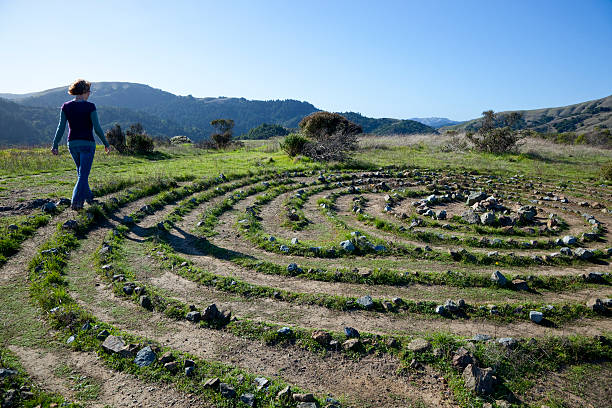
By following these steps, you can create a more meaningful and enriching experience as you embark on your labyrinth journey. Remember that there is no right or wrong way to walk a labyrinth—the focus should be on personal exploration and connection.
Integrating Labyrinth Walks into Your Routine
Incorporating labyrinth walks into your daily or weekly practices can significantly enhance your overall mental health and sense of peace. Here are a few ways to do this:

- Schedule regular visits to a local labyrinth or create a DIY version in your own yard using stones or chalk.
- Set aside dedicated time for informal walks, allowing spontaneity to guide your experience.
- Integrate labyrinth walks with other mindfulness practices such as yoga or breathwork for added benefits.
- Encourage friends or family members to participate, creating a supportive community around mindfulness.
- Keep track of your experiences in a journal, reflecting on your evolving understanding of the labyrinth.
By making labyrinth walks a consistent practice, you not only foster a sense of peace but also promote greater awareness and connection to yourself and the world around you.
Conclusion
Meditative labyrinth walks offer a unique and transformative approach to enhancing mental clarity and emotional well-being. Rooted in rich historical significance, these pathways invite participants to explore the depths of their minds and spirits. By focusing on the present moment, setting intentions, and creating a peaceful walking practice, individuals can find lasting tranquility amidst the chaos of modern life. As you delve deeper into your labyrinth journey, you may uncover insights and healing benefits that last far beyond the experience itself, enriching your daily existence with purpose and presence.
FAQs
A labyrinth is a single, winding path that leads to a central point, offering a meditative experience. In contrast, a maze consists of multiple paths and dead ends designed to confuse the participant.
2. How long should I walk the labyrinth?
The duration of your labyrinth walk can vary based on personal preference. Typically, walks can last anywhere from 15 minutes to an hour, allowing ample time for reflection.
3. Can anyone participate in labyrinth walks?
Yes, labyrinth walks are inclusive and can be practiced by individuals of all ages and backgrounds, regardless of physical ability. Adaptations can be made for those with mobility challenges.
4. Do I need to have experience in meditation to walk a labyrinth?
No prior experience is necessary to walk a labyrinth. The practice itself encourages individuals to engage in mindfulness, regardless of their level of meditation experience.
5. How can I find a labyrinth near me?
You can locate labyrinths by searching online directories, visiting local parks, community centers, or even churches that may have built labyrinths for spiritual reflection.


